

• Saturday, November 21, 2009 Latest Update: 4:29PM
Jeff St. John | February 17, 2009 at 11:15 AM

Green Power for Off-Grid Cellphone Towers

Vanuatu and Sri Lanka might not be the biggest mobile phone markets in the world, but they could soon be the greenest.

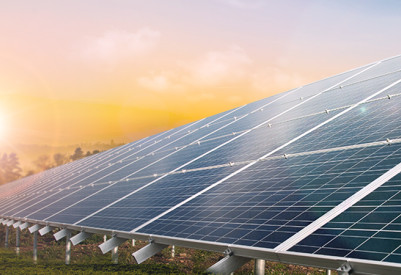
That’s because the two island nations are seeing a big push by companies to replace the diesel generators that power their off-grid mobile base stations with solar and wind power, according to annoucements coming out of the GSM Association‘s meeting in Barcelona this week.

Digicel, the Caribbean’s largest mobile operator, is now carrying 60 percent of its network traffic on the Pacific island nation of Vanuatu through 25 base stations powered by sun and wind, the company said. Digicel operates in Vanuatu, Samoa, Tonga and Papua New Guinea through its Digicel Pacific subsidiary.

And Dialog Telekom, the largest mobile communications provider for the Indian Ocean nation of Sri Lanka, plans to power 10 base stations with solar and wind power — five of them on-grid, interestingly. Two are being tested now and the rest are set to go live by April, the company said.

It’s all part of a push launched by GSMA in September to power more than 100,000 mobile base stations in developing countries with renewable energy by 2012. That could save 2.5 billion liters (660 million gallons) of diesel fuel each year, the association said.

(The United States alone consumed 4.2 million barrels, or about 176 million gallons, of diesel fuel and fuel oil per day in 2007, according to the U.S. Energy Information Administration, so a reduction of 660 million gallons would equate to about 3.75 days of American thirst for the fuel. Still, every small reduction helps a little.)

To speed up mobile communications’ green footprint, Alcatel-Lucent (NYSE: ALU) said Tuesday it would start an “Alternative Energy Program” at its Villarceaux facility near its headquarters in Paris.

While it made note of the environmental benefits of taking such a course in its press release, it also noted the commercial benefits that lie in reaching “a huge population of potential new subscribers—the more than one billion people living in areas that are not served by an electrical grid.”

Alcatel has about 300 solar-powered radio sites installed so far, and is looking to solar, wind and fuel cell technologies for its future efforts. It’s also testing power controllers from U.K.-based PowerOasis in its new research effort, it said.

There are other mobile phone station powering schemes out there. Fuel cell makers Plug Power (NSDQ: PLUG) and Ballard Power Systems (NSDQ: BDLP) are looking to serve telecommunications companies that need back-up power systems (see Ballard to Deal 10,000 Fuel Cells to India).

As for the phones themselves, Intel said in December that it is researching ways to charge cellphones and other mobile devices with radio waves that are abundant wherever cell and radio towers are broadcasting.

Comments [0]

Green Light

Greentech Media's Green Light blog covers the full-scope of the greentech world, while expanding the range of our daily news reporting with brief and insightful blog posts from our Greentech Media editors, GTM Research analysts and numerous guest bloggers.

.