
Geothermal energy is the cheapest form of clean energy out there, with wind energy a close second – and both could become cheaper than fossil fuel-fired energy if governments will direct more research funding to them.
That's according to a new report from New York University Stern, which calls for governments to start putting more money into geothermal and wind power research to yield faster and more dramatic improvements than money put into solar research.
Geothermal energy was singled out as the cheapest renewable energy source out there, and could become competitive with coal and gas-fired power with about $3.3 billion in research and development spending, the report said.
The United States got about 2800 megawatts of geothermal energy in 2006, or 0.3 percent of the total. But it only costs 4 to 6 cents per kilowatt hour to make on average, according to DOE's Energy Efficiency and Renewable Energy division – close to the ultra-cheap price of energy made from coal, but without coal power's massive carbon emissions.
Specifically, research into "hot, dry rock" geothermal technology could yield big increases in geothermal energy's potential, the report stated.
Most geothermal energy today comes from capturing hot water and steam already underground. Hot dry rock systems, also known as enhanced geothermal systems, seek to inject water from aboveground into wells that reach deep hot, dry rock formations to make steam to drive a turbine and generate power.
That's an area that Google and General Electric have agreed to work on together (see Google and GE Gang Up For Green Energy).
Google.org has put money into geothermal company Potter Drilling, and it and Kleiner Perking Caufield and Byers have invested in AltaRock Energy, which promises breakthroughs in hot rock technology (see AltaRock Breaks New Ground With Geothermal Power).
Geothermal energy hasn't gotten a lot of attention from venture capital investors to date, given that it's seen as a limited market with very high entry costs. And geothermal companies have long complained that they don't get the government support they deserve (see Money Remains the Barrier to Geothermal Power).
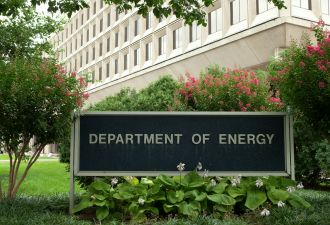
That may be changing. The Department of Energy, after years of spending little on geothermal, has aimed $400 million in stimulus funding at the technology (see Green Light post).
Geothermal players such as Ormat Technologies and SPX have been moving ahead with projects despite the complaints (see Ormat Technologies Seeks $1.5B and SPX Makes $100M Geothermal Deal).
And in Japan, a consortium including Mitsubishi Materials Corp. and Kyushu Electric Power Co. plan to invest 40 billion yen ($433.9 million) to build a geothermal power plant (see Japan Renews Drive to Tap Geothermal).
While the NYU Stern report ranked energy technologies in terms of costs, another report in December from Stanford professor Mark Jacobson ranked technologies according to their environmental impact. His study put wind power in the number one slot, followed by solar-thermal technology and geothermal in third place (see Report: Wind the Best Energy; Nuclear, Coal and Ethanol the Worst).
Underground is also a cheap place to store energy, by the way. A study by the Electric Power Research Institute says compressed air energy storage - pumping air into natural caverns, old mines or depleted oil fields and then releasing it to help run gas-fired turbines more efficiently – is the cheapest form of energy storage, although its use is limited to having such underground storage areas nearby (see What is the Cheapest Energy Storage Idea of Them All?).


 41
41
 15
15
 9
9